


Siding Rot Repair for Vancouver, WA Homes
Cracked boards or soft spots on an exterior wall? Rot Busters handles siding rot repair and corrects what let the water in, so the same wall doesn't keep rotting out. Request a free estimate from a true Clark County rot specialist.
What Siding Rot Does to Your Home
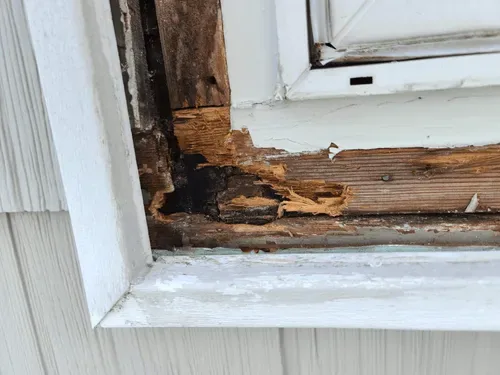
Your siding is the one layer keeping our wet Clark County winters off your framing. When a cracked cedar board or a failed caulk joint lets water slip behind it, the wood stays wet, and wet wood in a dark wall cavity is exactly what rot-causing fungus needs to take hold.
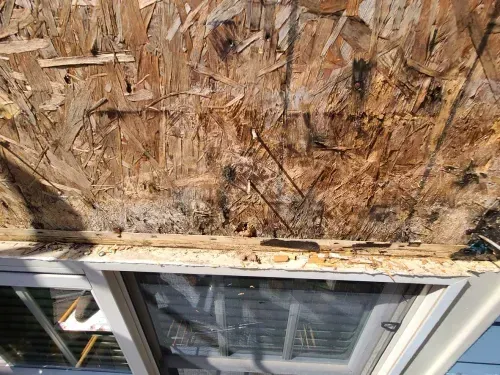
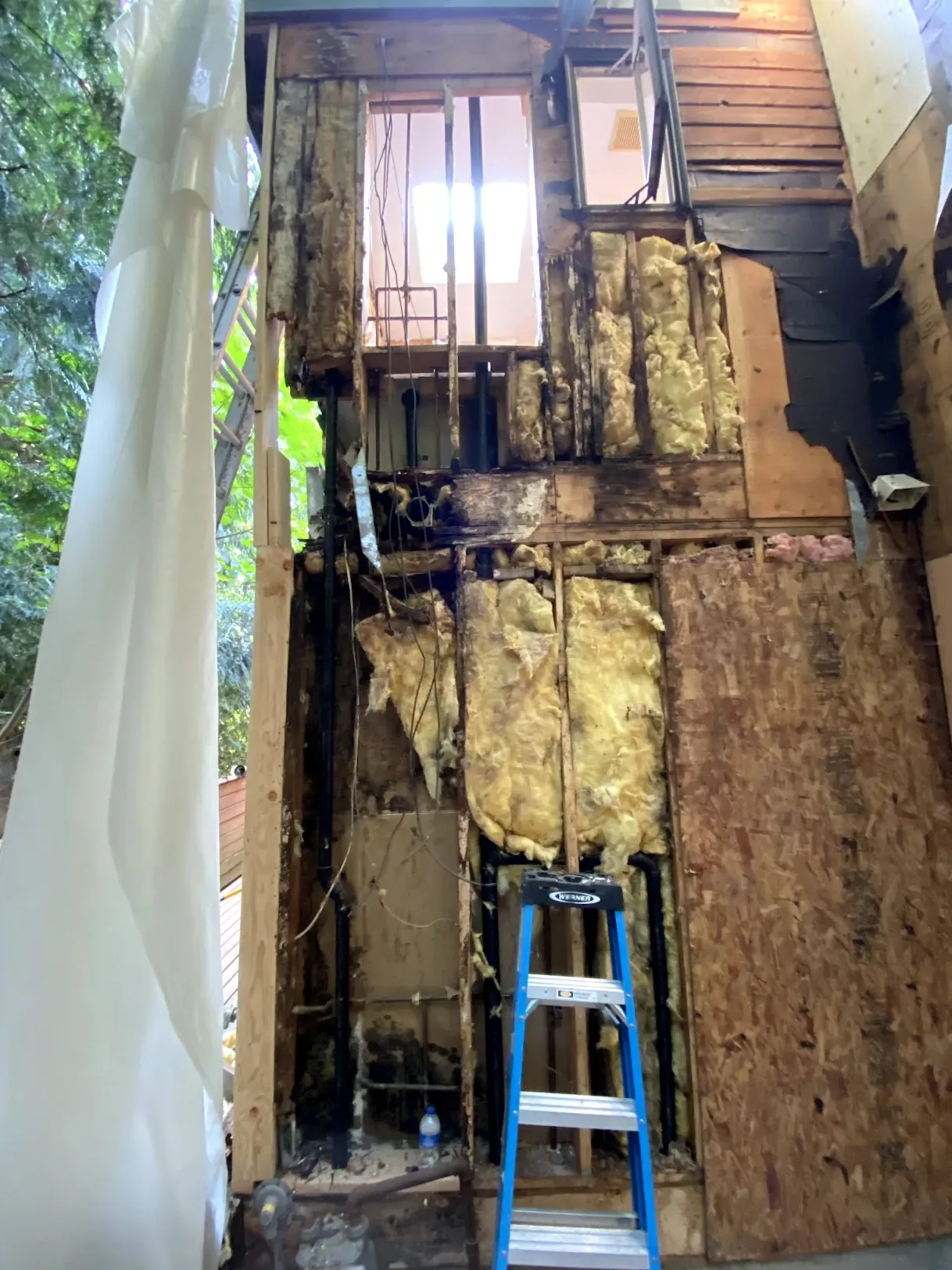
From there it doesn't stay put. The fungus eats through studs and sheathing, black mold can settle into the damp framing, and termites can follow the softened wood deeper into the house. What started as one stained board can reach the structure holding your walls up.
Most homeowners find out the hard way that insurance usually treats rot as maintenance, not damage, so it's rarely covered. The repair comes out of pocket either way. The only real choice is whether you catch it as a single wall or pay for it once it has spread.
Siding Repair Backed by a Workmanship Guarantee
We keep siding rot repair straightforward: a clear scope, a fixed price, and a crew that approaches every siding job through a rot-repair lens, always thinking about how long the wall will last.

Siding Types We Repair in Vancouver
The Pacific Northwest runs through a handful of siding types, and each one lets water in its own way. Here's what we repair and how each one tends to fail.

Cedar Bevel Siding
Cedar rarely rots outright, but it cracks and checks with age, and those splits let water slip behind the board. We replace damaged runs with cedar from local mills and match the profile cleanly.

Hardie Lap (Fiber Cement)
The fiber cement board is tough, but the caulk joints are not. Once a joint fails, water moves behind the panel into the framing. Our Hardie siding repair fixes the joint and the rot behind it.

T1-11 Siding Repair
T1-11 is a budget 4x8 sheet that soaks up moisture the moment water gets behind it, so it rots fast. Repairing T1-11 often means replacing sheets and reworking the detail that failed.

LP SmartSide Siding Repair
LP SmartSide is built on an OSB core, so it swells and breaks down at cut ends and bottom edges once the finish is breached. We cut out the failed sections and reside with a tougher material.

Wood Trim
Corner boards and window trim are among the most common failure points in wood siding repair. Unflashed or uncaulked trim rots first, and caulk is a maintenance item that needs redoing every few years.
Our Recent Siding Rot Repair Projects
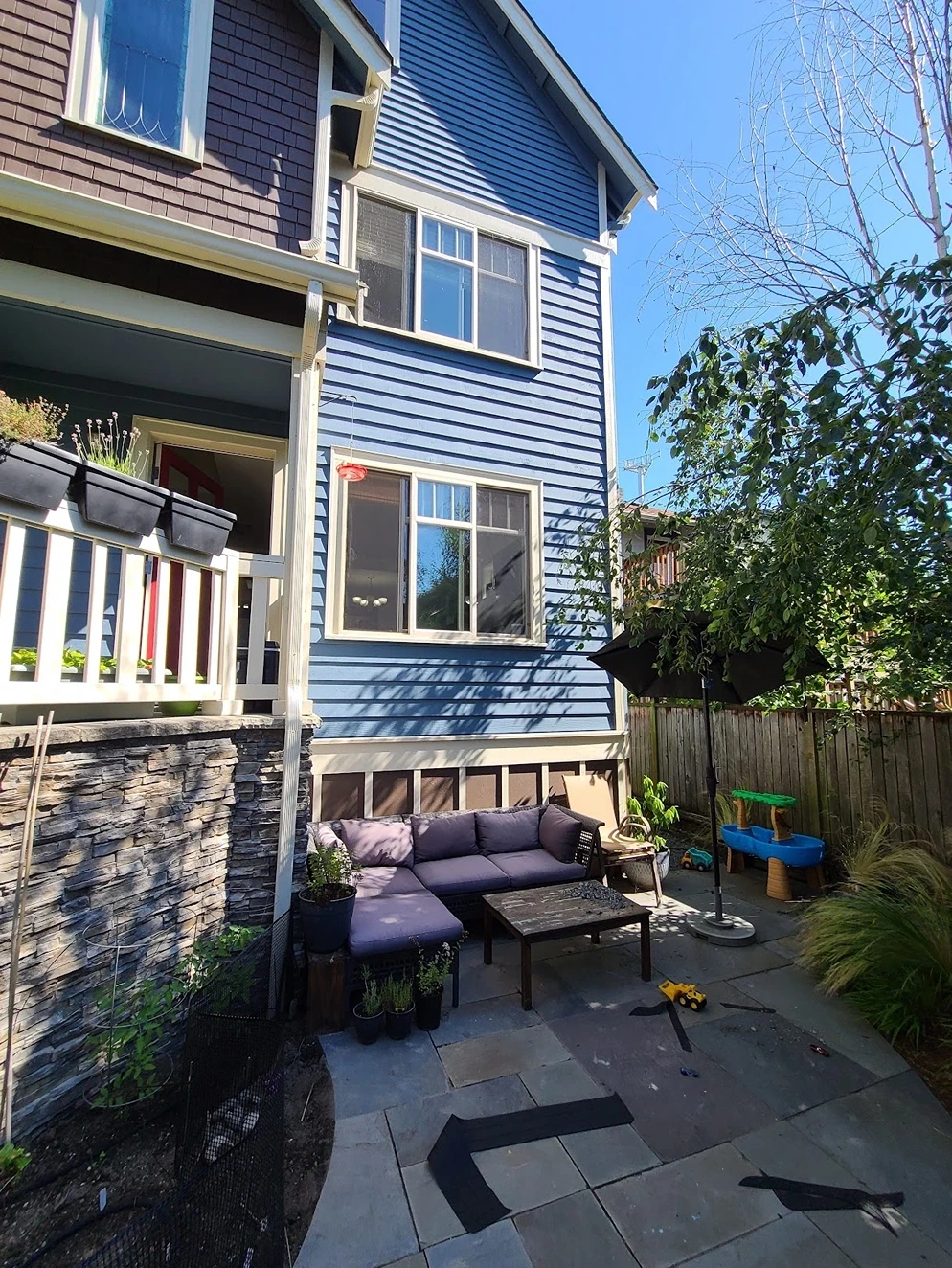
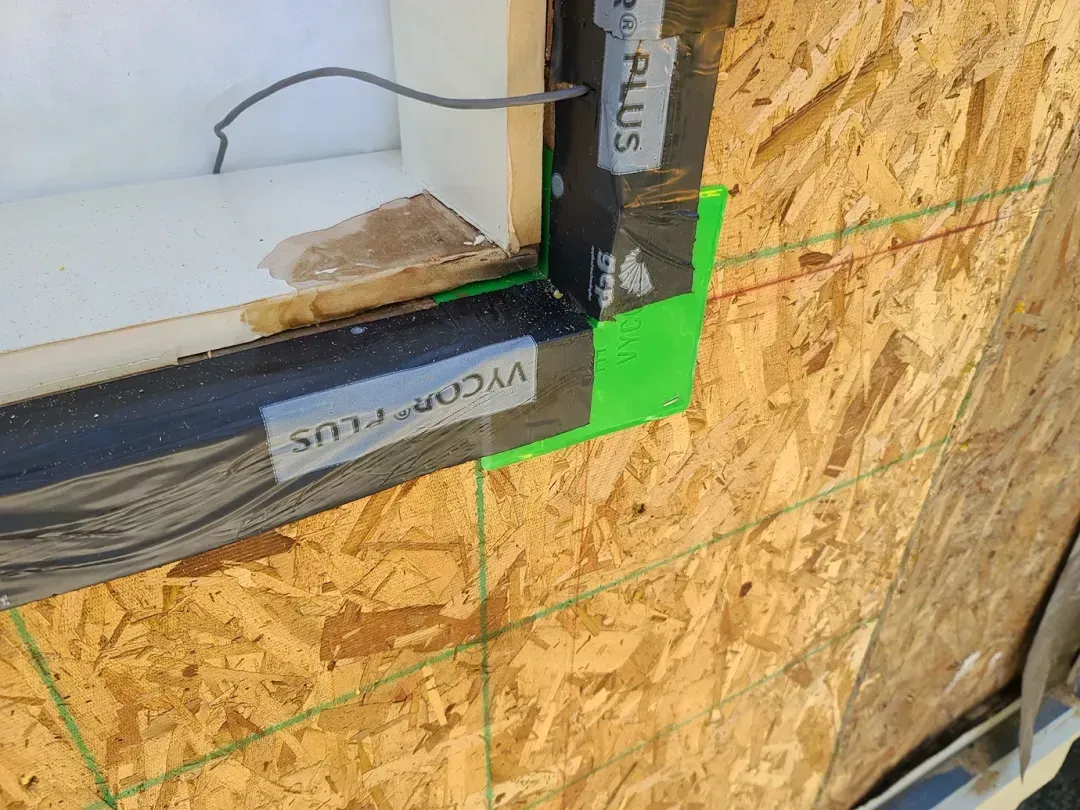
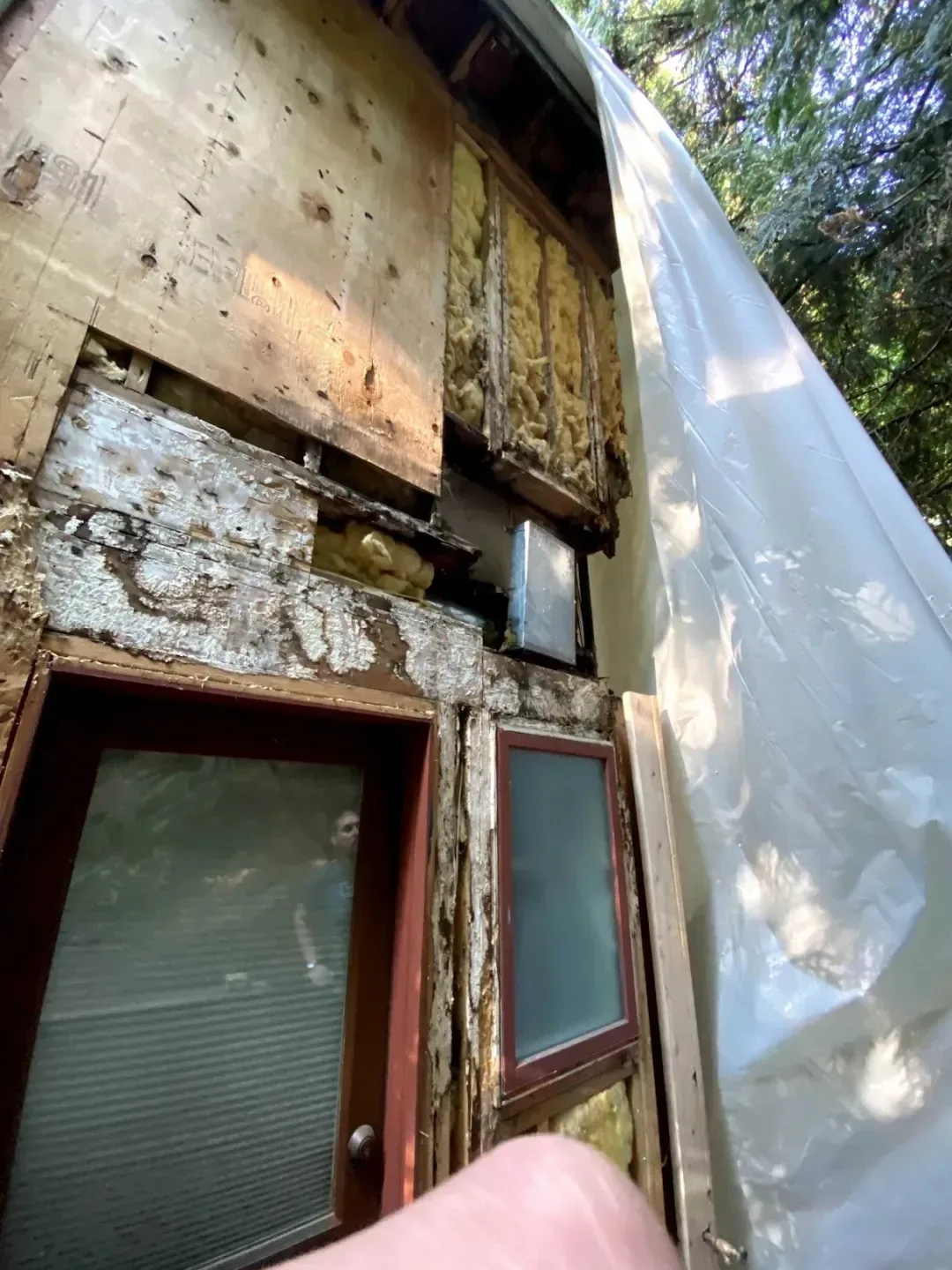
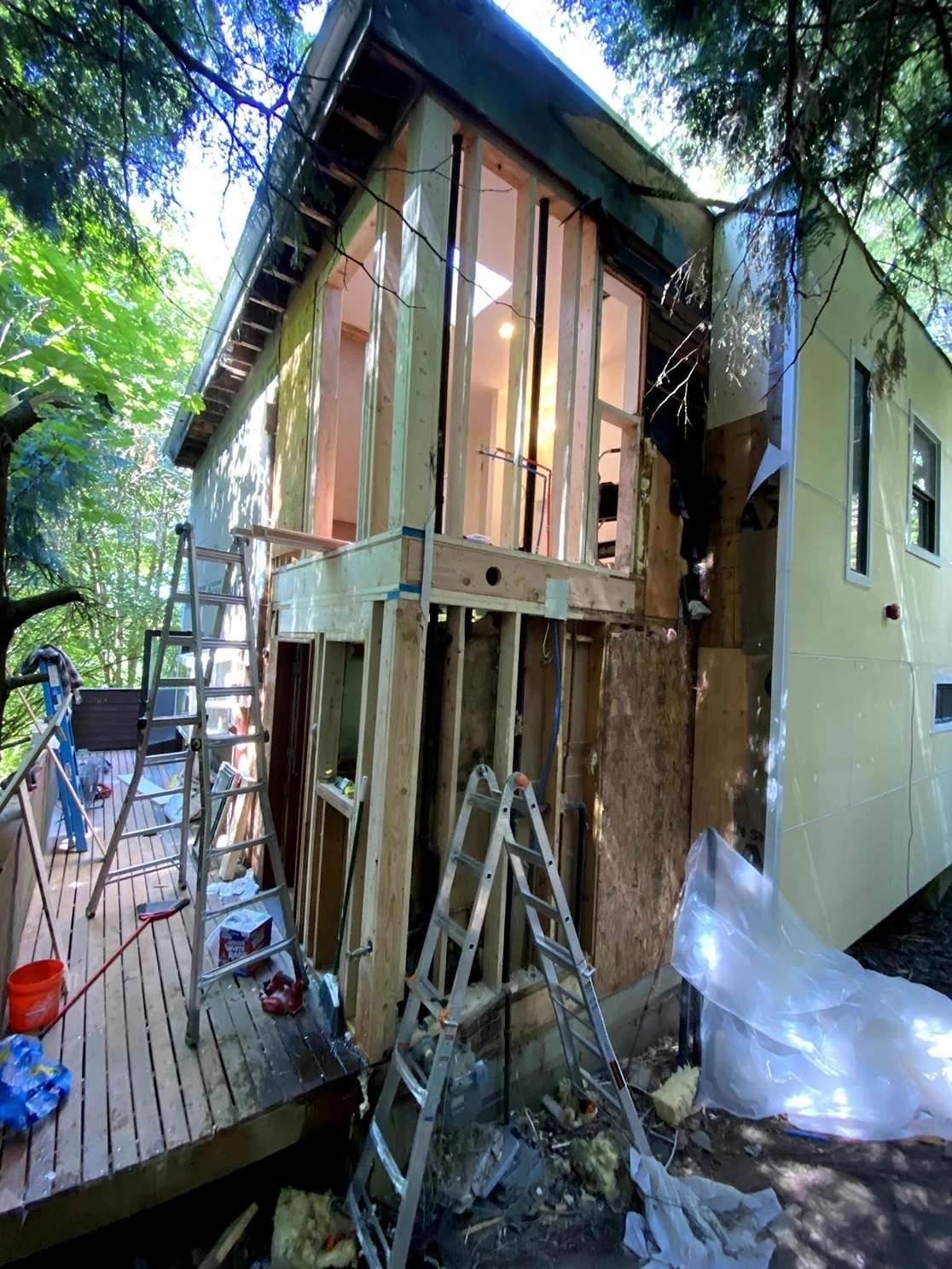
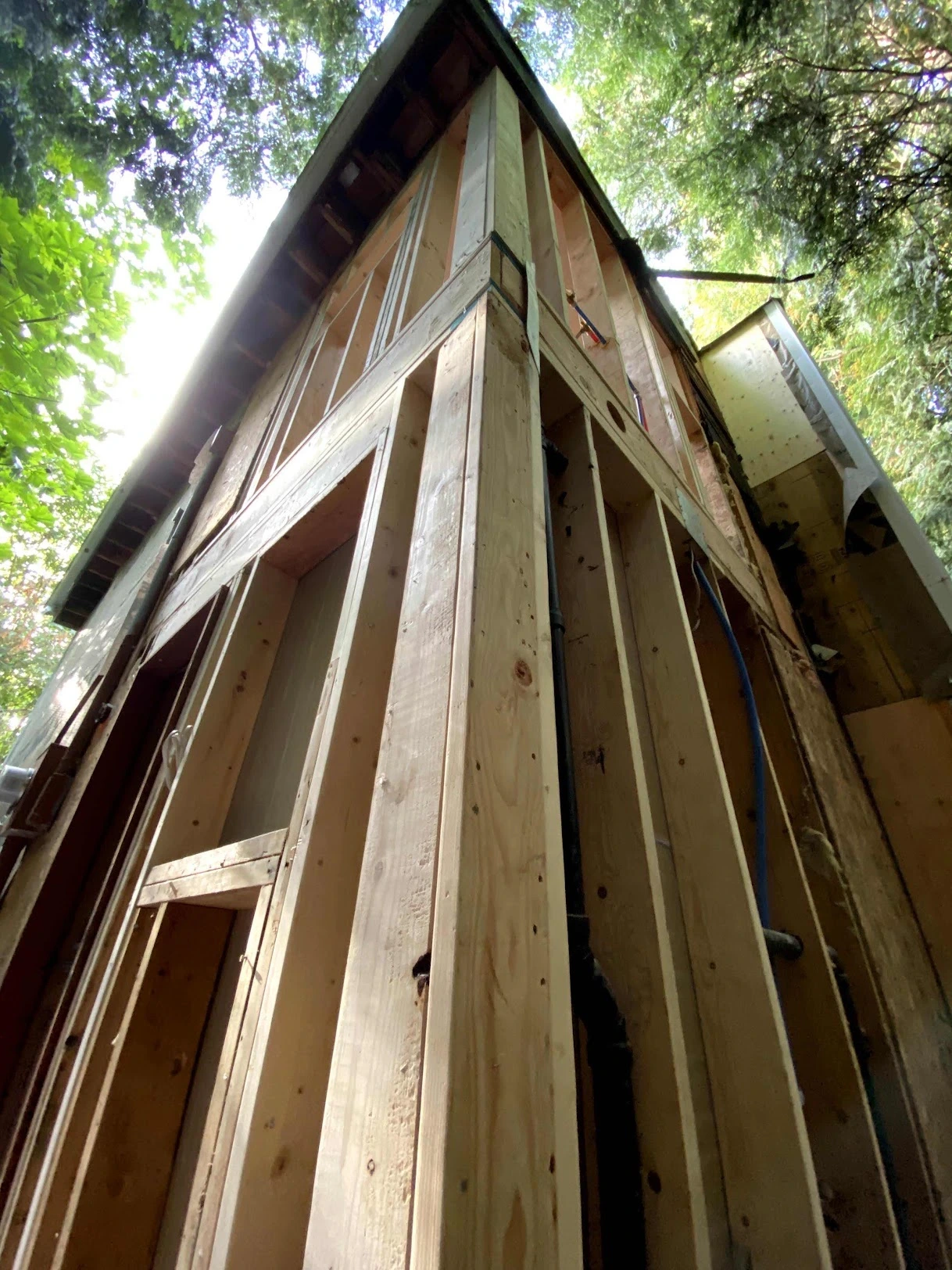
See the difference between a wall before and after the rotted siding and the water source behind it are gone. Here are recent repairs from homes around Vancouver and Clark County.
How Rot Busters Fixes Siding Rot
Initial Consultation
We begin with an in-person visit to hear your concern, look at the affected wall, and talk through what you're seeing. Years spent in rot repair means we often spot the likely water source on the very first visit.
Damage Assessment & Scope
Opening the wall is the only way to know the full extent of the damage. Our crew inspects for hidden moisture, structural decay, and failing siding, then hands you an itemized proposal so the scope is clear before any work starts.
Precision Repair & Reconstruction
Once you approve the plan, we remove every compromised board and treat the structure underneath. From there we rebuild with moisture-resistant materials and correct the caulk and flashing detail that let the water in.
Final Inspection & Warranty
Finishing with a full walkthrough, we confirm every detail holds to standard and explain the work we did on your home. You get the completed repair backed by our one-year workmanship guarantee before we leave.

Soft wood or peeling paint?
We'll find where the water's getting in, then fix the rot at the source.
Why Siding Rot Spreads Fast in the Pacific Northwest
Wet winters and long damp stretches make Vancouver, WA and the rest of the Northwest hard on siding. Once water gets behind the cladding, the damage rarely stays where it started.
What's Actually Happening Behind the Siding
Rot isn't just wet wood. It's a living fungus, and it keeps working as long as the moisture stays. A few things make it worse here:
- Constant winter damp keeps wood from ever drying out
- The fungus feeds in dark, enclosed wall cavities where nobody looks
- By the time a soft spot shows on the surface, the framing behind it is often already affected
How It Escalates into Mold And Infestation
Once rot sets in, the problem compounds and gets costlier the longer it waits:
- Damage moves from the siding into load-bearing framing, turning a surface fix into a structural one
- Hidden moisture often travels well beyond the stain you can see
- Each wet season that passes gives the decay more of the wall to work through
- Damp, softened wood can invite black mold and termites, which spread the damage further into the house
Why Rot Repair Isn't Covered by Insurance
Most policies treat rot as a maintenance problem, not a covered event, so the bill falls to the homeowner. That's exactly why catching rot under siding early matters. The sooner the source is fixed, the less of your home the fungus gets to consume.
Fixing The Source, Not Just The Damage
Anyone can swap out a rotted board. Making sure it doesn't rot again is the part most contractors skip, and it's the whole reason we exist.
Why Patched Siding Repairs Rot Again
Handymen and general contractors patch what they can see and move on. The problem is what they miss:
- They don't read how a wall is built to shed water and breathe
- They cover damage without finding where the water enters
- Before long, the new board is rotting like the old one
How We Trace the Root Cause
Our siding dry rot repair starts with discovery, then diagnosis once the wall is open. We follow the water to where it actually gets in:
- A failed caulk joint between boards or at butt seams
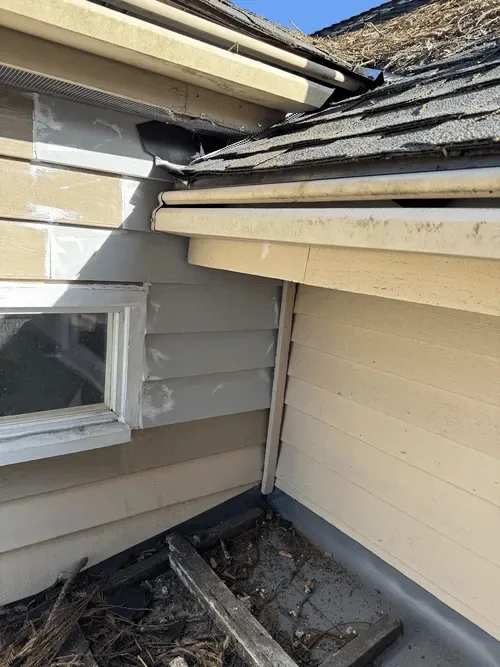
- Missing or wrong flashing at windows, trim, and transitions
- A trim detail that was never sealed correctly
Knowing where to look comes from experience. Our owner spent three years with a dedicated Seattle-area rot repair company, learning how a wall is built to shed water and breathe.
We fix that source, not just the symptom, using OSI and Sika polyurethane sealants built to flex and GRK fasteners that hold.
Repair vs. Reside, and How We Decide
Some walls need a targeted fix. Others are past it. We give you the honest call:
- Targeted siding repair when the damage is contained, fixing the affected area and the source behind it
- Reside with cedar or Hardie when the home has failing LP SmartSide or T1-11 that will keep rotting
- Whole-house reside when the cladding is failing across multiple walls
- Trim replacement for rotted corner boards and window trim
- Flashing retrofit when the real problem is water management, not the board
Matching the Fix to Your Siding
The right material depends on your home, your budget, and how long you plan to stay. Here's how the common options compare for this climate.
Best Siding for the PNW Climate
Some materials simply last longer in our weather:
- James Hardie fiber cement is tough and stands up well to wet weather, in lap, flat sheet, and fiber cement shake; it's our go-to for most resides.
- Cedar from local mills is a strong natural-look option when you'll keep up with maintenance
- We steer homeowners away from T1-11 and LP SmartSide, which fail early in our climate
Which Siding Resists Bugs and Moisture Best
Not all siding gives pests and rot the same opening:
- Fiber cement resists rot and termites far better than wood, so it holds up where wood struggles
- T1-11 and LP SmartSide are the most vulnerable once moisture gets past the finish
- Cedar sits in between, better than engineered wood, but still wood
How We Prevent the Next Leak
Prevention comes down to detailing:
- We retrofit flashing where it was missing or wrong
- We seal joints with flexible polyurethane sealants, not cheap caulk
- We tell you plainly that caulk is a maintenance item you'll need to redo every few years
Where We Repair Siding Rot Across Clark County
Siding rot looks different from one home to the next, depending on the siding, the age of the house, and how it was detailed. Years of PNW rot work mean we usually know what we're walking into. Because we're based here in Clark County, a call gets you an in-person look from a local siding repair team.
We handle siding rot repair for homeowners throughout the area, including:
Vancouver
Camas
Washougal
Battle Ground
Brush Prairie
Hockinson
Orchards
Felida
Ridgefield
Proebstel
Frequently Asked Questions About Siding Rot Repair in Vancouver, WA

The leak stops because we correct what let water in, not just the board it ruined. We trace the actual entry point, fix the flashing and caulk detail, and rebuild with materials that shed water and breathe the way the wall was meant to.
Fiber cement like James Hardie performs best for most homes here because it resists moisture, fungus, and bugs. Cedar is a solid option if you want a natural look and will keep up with the upkeep.
For most Vancouver homeowners, fiber cement hits the sweet spot. It costs more upfront than engineered wood but lasts far longer with less maintenance, so it usually wins over the life of the home.
Fiber cement. It resists rot and termites far better than wood-based siding. T1-11 and LP SmartSide are the most vulnerable once water gets behind them.
It depends on how far the damage has traveled. If it's contained, we do a targeted repair. If you have failing LP or T1-11, or rot across several walls, a reside is often the smarter spend. We tell you straight which one your home needs.
Siding install is priced by the square foot, and the rot repair is quoted separately. You get an itemized, fixed price before any work starts, and financing is available through our payment portal.
Most siding repairs take 1 to 3 days, depending on how far the rot has spread. A full reside takes longer, and we give you the timeline with your quote.
Usually not. Most policies treat rot as a maintenance issue rather than a covered event, so it's paid out of pocket. Early repair is the best way to keep that cost down.
Yes. Every job is backed by our one-year workmanship guarantee. If something fails within that year due to our installation, we take care of it.
Schedule Your Rot Repair Today
Have rot, or think you might? Send us a few details and we'll be in touch to set up a look. For active leaks or urgent structural concerns, call us and ask about an emergency callout.
Have rot, or think you might? Send us a few details and we will get right back to you. For active leaks or urgent structural concerns, call us and ask about an emergency callout.
We use optional analytics and advertising cookies to understand visits and inquiries. You can accept, reject, or choose what to allow. Cookie Policy